No products in the cart.


Theberibes: How to Care for Your Everyday Pieces
Keeping Theberibes Pieces Looking Fresh: Care That Fits Real Life
Great everyday clothing should handle repeat wear, quick errands, and the occasional spill—without turning into a fragile “special occasion” item. If you shop Theberibes, you’re likely looking for pieces that stay wearable beyond the first few washes. Proper care is the difference between fabric that gradually softens and fabric that dulls, shrinks, or loses shape. With a few habits, you can protect color, texture, and fit while keeping your routine simple.
For a quick look at the brand’s range and how different items are presented, you can browse official Theberibes as you plan your wardrobe. The key is to match care to the material and construction of each piece you own, because “washable” doesn’t always mean “tumble-dry friendly.”
Read labels like a map: fiber content and care symbols
The fastest way to avoid damage is to treat the care label as instructions from the fabric’s point of origin. Start with fiber content: cotton blends, synthetics, and knits often respond differently to heat and agitation. Next, look at the washing temperature guidance and whether the label recommends machine washing or hand washing. If you see restrictions around bleach, hot ironing, or tumble drying, those aren’t optional—those are the cues that the fabric structure can change under stress.
Even within the same category (for example, everyday tops or bottoms), differences in weave and finishing can matter. A piece with a more delicate surface finish may need gentler cycles, while a heavier knit might tolerate more movement. When labels are vague, default to the gentler setting first; you can always increase intensity later, but you can’t reverse shrinkage or pilling.
Wash routines that protect color and shape
Color fading and misshapen hems are among the most common “why did this happen?” issues. To prevent them, wash items inside out, especially for darker shades or pieces with visible seams and prints. Use cold or cool water when the label allows; cooler temperatures reduce color loss and help maintain fabric integrity over time. If you’re washing mixed loads, separate by color and fabric weight to reduce abrasion and uneven wear.
Detergent choice also plays a role. Harsh formulas can accelerate dullness, while too much detergent can leave residue that makes fabric feel stiff. For knitwear and textured fabrics, consider a detergent designed for delicates to keep the surface smooth. Avoid overloading the washer—items need space to move so they rinse properly. Poor rinsing can trap detergent and cause a “rough” feel or faster fading.
Cycle and spin: gentler is often better for everyday wear
For most daily pieces, a gentle cycle plus a moderate spin helps reduce stretching and wrinkles. High spin speeds can pull knits out of shape, particularly around cuffs, waistbands, and collars. If your pieces wrinkle easily, it’s usually better to remove them promptly and hang or lay flat to finish drying rather than relying on heat to “fix” the fabric.
Drying methods that prevent shrinkage and pilling
Drying is where many fabrics either recover well or get permanently altered. Heat is the main risk: it can shrink natural fibers, warp blends, and loosen finishes. If the label permits tumble drying, use low heat and remove items while slightly damp to reduce over-drying. For pieces that are prone to shape changes—especially knits, fitted items, or anything with elastane—air drying is the safer approach.
Air drying also helps with pilling control. Pilling can happen when fabric rubs against itself or against other garments during drying. If you line-dry, avoid harsh wind that can stretch lightweight items. For flat-drying, reshape the garment while it’s damp so seams and hems settle correctly. This small step can preserve the original silhouette far better than “letting it be” until fully dry.
How to spot fabric that needs special drying
Use extra caution if a piece has a close fit, ribbing, or a surface that looks textured or brushed. These features often indicate the fabric structure can shift with heat and agitation. When in doubt, air dry and compare the result over one wash cycle—then standardize the method that keeps the piece looking consistent.
Ironing, steaming, and stain removal without damage
Even the best washing routine can leave wrinkles, especially after air drying. Ironing should follow the fabric’s heat tolerance. If you’re unsure, start with a lower setting and test on an inner seam. For delicate knits, steaming can be gentler than pressing, but keep the steamer moving to avoid concentrated heat on one spot. Always let the fabric cool before handling to reduce the chance of re-wrinkling.
Stain removal is another area where careful timing matters. Treat stains as soon as possible, blotting rather than rubbing to avoid spreading. For everyday stains like food or light marks, a mild pre-treat can work without aggressive scrubbing. Avoid soaking for long periods unless the label allows it, because extended exposure can weaken dyes or alter fabric texture. If the stain is oily, let it settle first—then treat with an appropriate product and wash according to the label.
When to stop and re-check the label
If a stain doesn’t lift quickly, don’t escalate to stronger chemicals automatically. Re-check whether the fabric permits bleach or special removers, and consider repeating a gentler treatment. This approach protects both color and fiber strength, helping your Theberibes pieces stay consistent across repeated wear.
Storage habits that reduce wrinkles and fabric stress
After washing and drying, storage can still impact how your clothing looks. For items that wrinkle easily, hang them on sturdy hangers that support the shoulder shape. For knits, consider folding rather than hanging to prevent stretching over time. Store away from direct sunlight to reduce fading, and keep pieces in breathable spaces so moisture doesn’t linger. If you use garment bags, choose ones that allow air circulation.
Finally, rotate your wardrobe. The more a piece is worn and stored in the same way every time, the more likely it is to develop localized stress points, such as stretched waistbands or warped collars. Rotating use spreads wear evenly, making your everyday items look better for longer.
Categories
- apresbodydryer.co.uk
- balancemeals.co.uk
- barnestennisclub.co.uk
- beerexpert.co.uk
- caffepasta.co.uk
- chrisolley.co.uk
- cwexpo
- graphicmanual.ca
- hawickroyalalbertunited.co.uk
- heuro.org.uk
- limavadyunitedfc.co.uk
- mksrplumbingandheating
- Our Partners – best-online-casinos-ie.rogueaba.com
- Our partners – gnomiartas.gr
- Our partners myfoam.ie
- rampal-latour.com
- Rogue ABA – Irish online casinos
- ssswalesltd.co.uk
- Uncategorized
- www.gpidea.org
Featured products
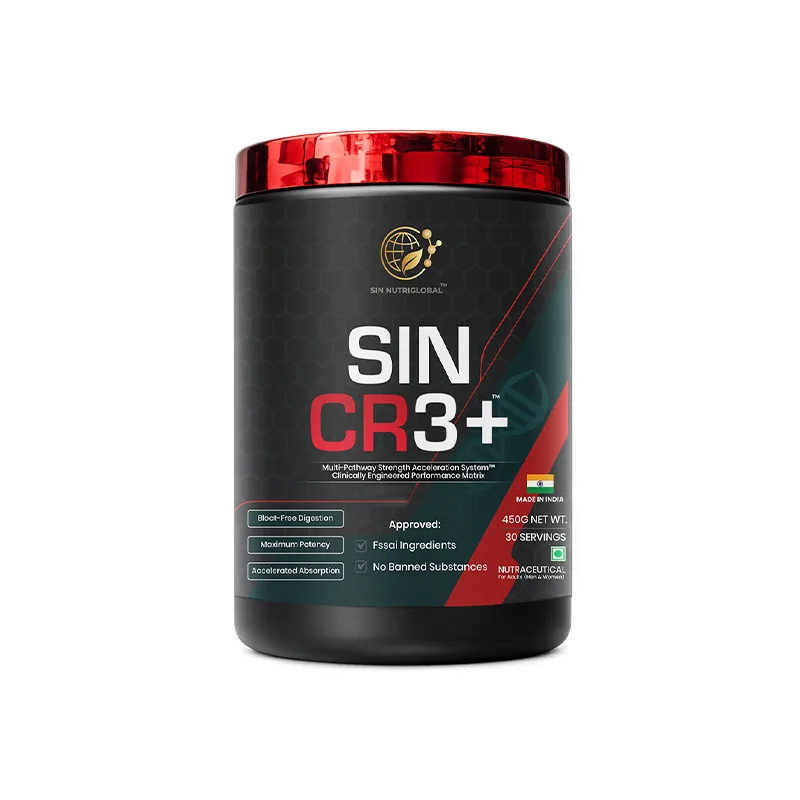
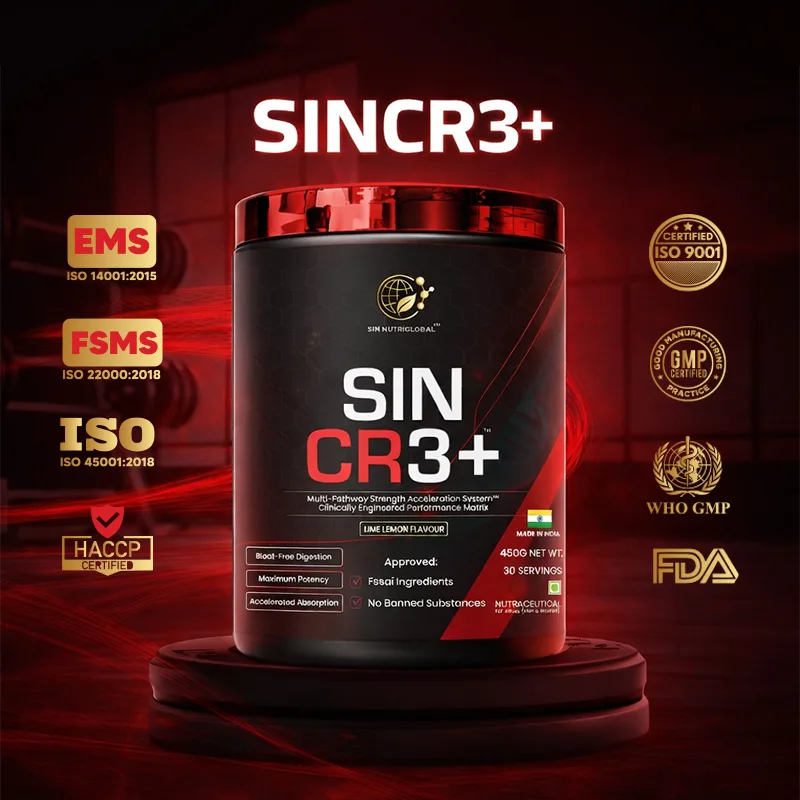
SIN CR3+ Ultimate Athletic Performance Matrix – Advanced Strength, Power, Energy & Endurance Support Formula
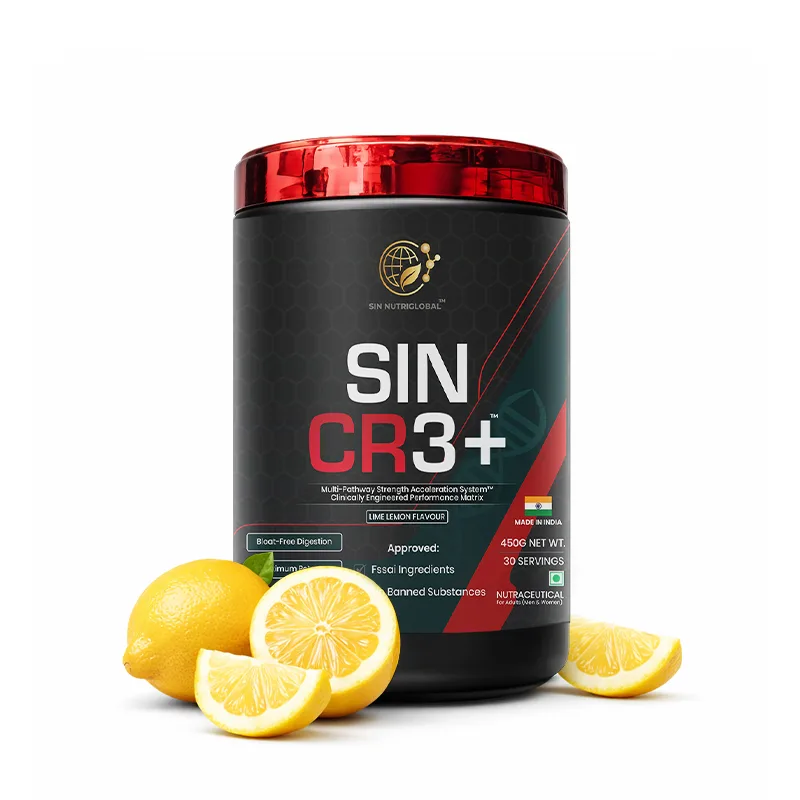
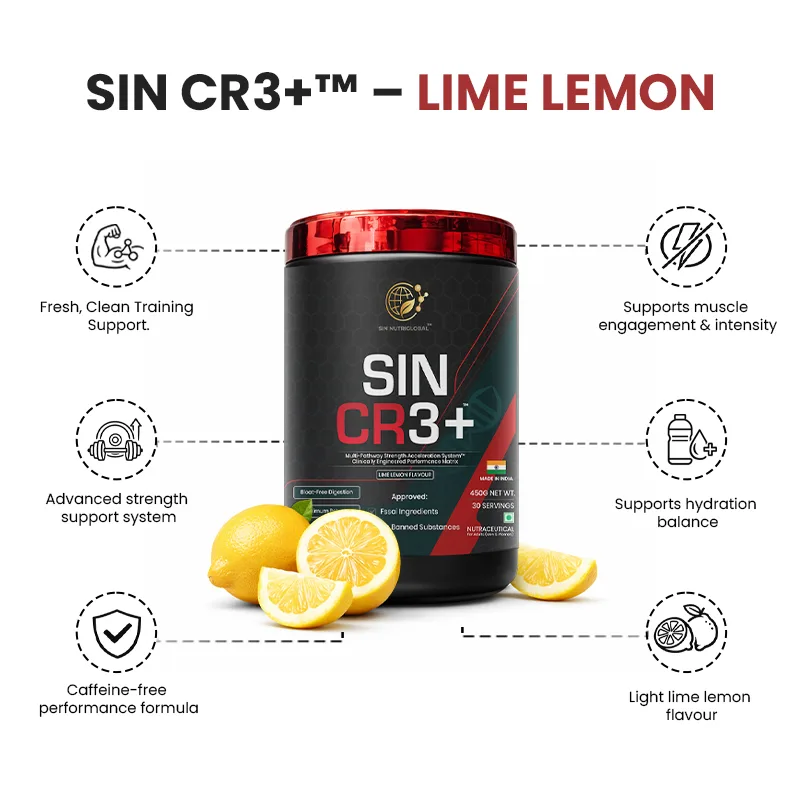
SIN CR3+ Ultimate Athletic Performance Matrix – Advanced Strength, Power, Energy & Endurance Support Formula Lime Lemon (450g)